Pain in Traditional Chinese Medicine: What Your Body Is Trying to Tell You?
Pain is one of the most common reasons people seek treatment — yet in Traditional Chinese Medicine (TCM), pain is never viewed as random or meaningless. Instead, pain is considered a message from the body that something is out of balance.
A classic TCM saying goes:
“Where there is free flow, there is no pain. Where there is pain, there is no free flow.”
The Root Cause of Pain in TCM
In TCM, pain usually arises from blockage or stagnation within the body.
This may involve:
- Qi (energy)
- Blood
- Body fluids
- External or internal pathogenic factors
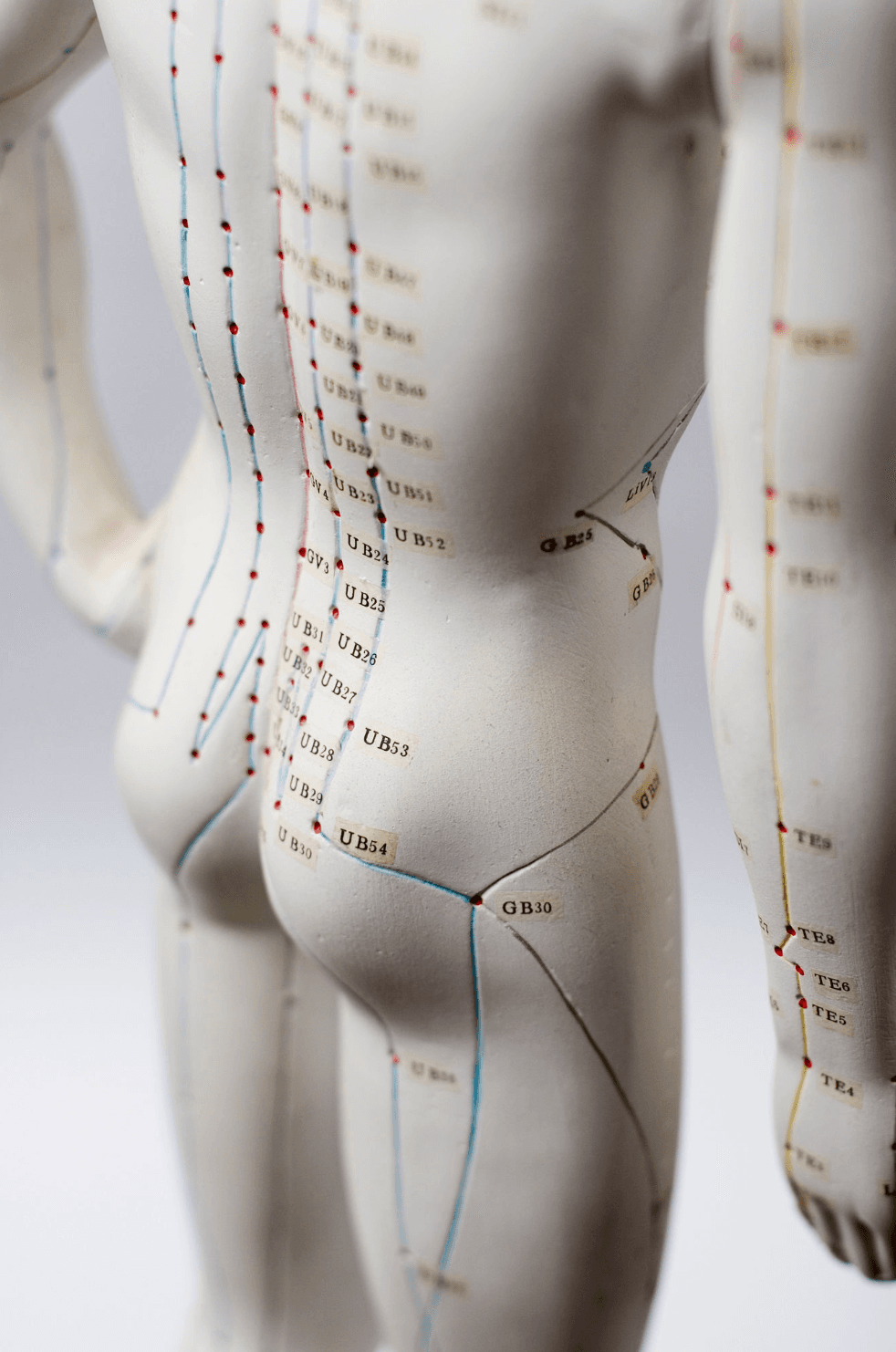
When these substances do not move smoothly through the meridians (energy pathways), discomfort, tightness, or pain can develop. Unlike conventional approaches that often focus on where the pain is, TCM asks: "Why has the flow been disrupted in the first place?"
Common TCM Patterns That Cause Pain
1. Qi Stagnation
- Qi stagnation often creates tight, distending, or moving pain.
- Pain that comes and goes
- Pain worsened by stress or emotions
- Often felt in the neck, shoulders, chest, ribs, or abdomen
- Stress, emotional suppression, and long-term tension are common contributors
2. Blood Stagnation
- Blood stagnation causes sharp, stabbing, fixed pain.
- Pain that is localised and persistent
- Often worse at night
- May follow trauma, surgery, or chronic strain
- This type of pain tends to be more intense and stubborn
3. Cold Obstruction
- Cold slows circulation, leading to deep, aching pain.
- Pain improves with warmth
- Worse in cold weather or early mornings
- Common in joints, lower back, and abdomen
- Cold can come from environmental exposure or internal deficiency
4. Dampness
- Dampness creates heavy, dull, or swollen pain.
- Sensation of heaviness
- Pain worsens in humid weather
- Often affects joints and muscles
- This pattern is common in chronic inflammatory conditions
5. Deficiency (Qi, Blood, Yin, or Yang)
- When the body lacks sufficient resources, pain can develop due to poor nourishment
- Dull or lingering pain
- Fatigue or weakness
- Pain worsens with exertion
- Deficiency pain is common in chronic illness, aging, and post-illness recovery
Why TCM Treats Pain Differently
In Chinese medicine, pain is a symptom — not the diagnosis.
Two people can have knee pain, headaches, or back pain, yet receive completely different treatments based on their underlying pattern.
TCM treatment aims to:
- Restore smooth flow
- Address the root imbalance
- Reduce recurrence, not just symptoms
How TCM Treats Pain
Depending on the pattern, treatment may include:
- Acupuncture to restore flow and calm the nervous system
- Herbal medicine to move stagnation, warm cold, or nourish deficiency
- Cupping or Gua Sha to release tight tissues and improve circulation
- Dietary and lifestyle advice to prevent pain from returning
Treatment is always tailored — because no two bodies (or pain stories) are the same.
Pain as a Teacher, Not an Enemy
From a TCM perspective, pain is not something to simply silence. It’s information — an invitation to listen more closely to what your body needs.
When addressed at its root, pain doesn’t just reduce — the body often becomes stronger, more resilient, and more balanced overall.